Compassionate LGBT Counselling Services: Supporting Your Progression to Well-Being
Compassionate LGBT counselling programs play a fundamental role in advancing psychological wellbeing and growth within the community. These support services create a safe space for people to explore their sense of identity and confront cultural pressures. By incorporating tailored therapeutic strategies, clients can develop strength and self-acceptance. Grasping the influence of these counselling programs leads to significant considerations about their effectiveness and the life-changing experiences they can offer. What changes might come for those who reach out for this help?
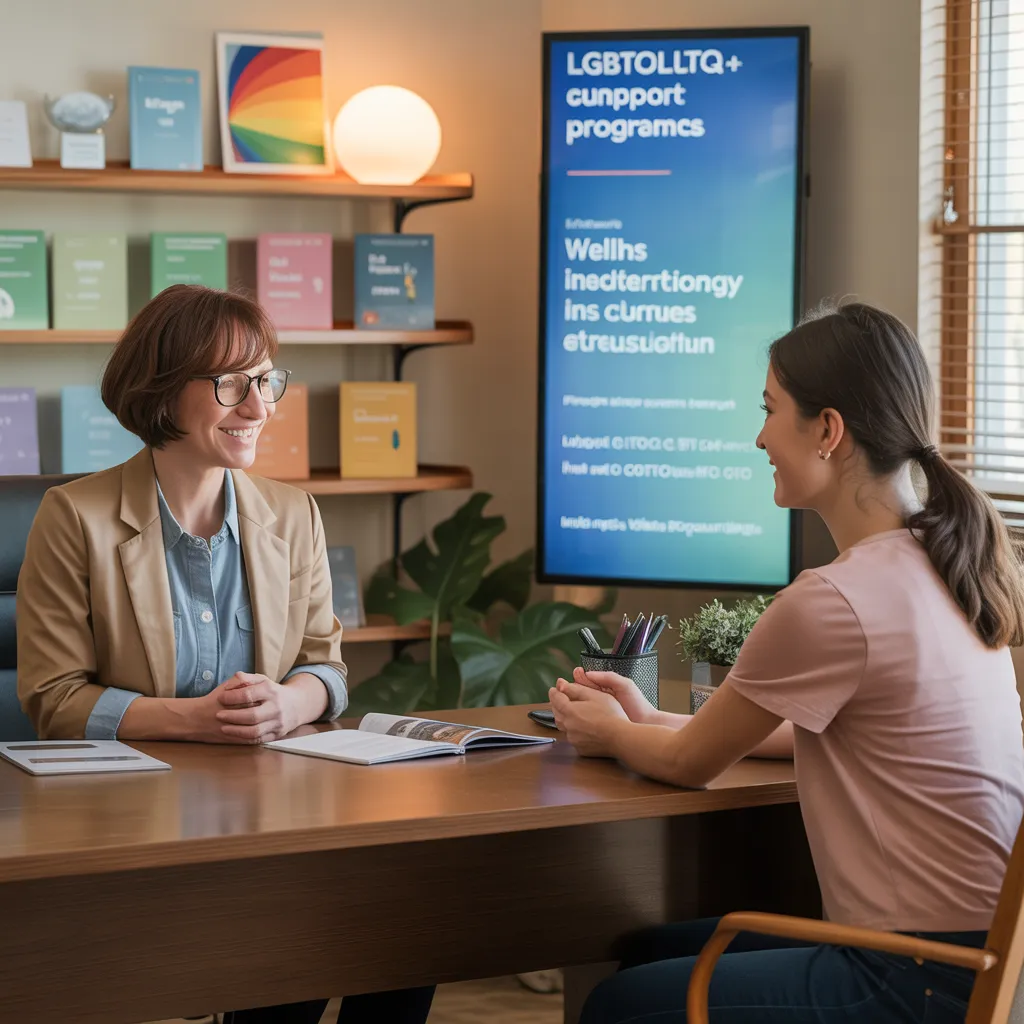
Why LGBT Counselling Is Important
LGBT counselling acts as a critical instrument in addressing the unique challenges dealt with people within the community. It establishes a secure and affirming space where clients can explore their identities, feelings, and lived experiences without fear of judgment. These services are designed to honor diverse sexual orientations and gender identities, fostering a sense of inclusion and acceptance.
Counsellors educated on LGBT issues apply culturally aware strategies to better understand the nuances of clients' circumstances. This focused approach not only promotes mental health but also strengthens individuals to navigate societal pressures, relationship dynamics, and self-improvement.
Moreover, LGBT counselling can help create management techniques for anxiety, stress, and depressive symptoms, which may stem from discrimination or feelings of isolation. By emphasizing mental health, these programs play a pivotal role in enhancing the general well-being for LGBT people, promoting self-acceptance and resilience.
Obstacles Impacting the LGBT Community
Despite advancements in numerous areas, the LGBT community continues to face major challenges. Prejudice remains pervasive, affecting various life dimensions, including work, healthcare, and housing. Many people face prejudice and discrimination, which leads to heightened mental health struggles. In addition, the lack of comprehensive legal safeguards in some regions compounds these problems, rendering community members vulnerable to mistreatment and violence.
Mental health difficulties are quite striking, as individuals often encounter internalized homophobia and societal rejection. Social isolation can compound these challenges, as supportive networks may be insufficient or non-existent. Moreover, access to culturally competent healthcare provision is commonly inadequate, leaving many without essential backing.
Handling these setbacks demands resilience and advocacy, accentuating the pressing nature of broader education and strategic measures to build respect and belonging. Dealing with these problems is necessary for the total welfare of the LGBT community.
Explore What Your Therapy Session Will Encompass?
An LGBTQ counseling appointment begins with the initial assessment process, which is essential for understanding the client's unique needs and experiences. This fundamental step sets the stage for the treatment methods that will be applied during treatment. Clients can expect a customized strategy that centers on their individual circumstances and aims.
First Assessment Workflow
The initial assessment process functions as an critical base for productive therapy meetings. During this phase, clients are invited to share their experiences, concerns, and goals in a secure, nurturing setting. The therapist performs a thorough evaluation, collecting relevant pertinent information details about the client's history, psychological background, and present difficulties. This dialogue seeks to build rapport and trust, allowing clients to feel heard and appreciated. Additionally, the therapist may explore the client's expectations and desired outcomes from the counselling experience. By creating a clear understanding of the client's requirements, the first evaluation sets the stage for tailored support and effective intervention, guaranteeing that clients feel confident and prepared on their path to wellness.
Therapeutic Strategies Used
Counselling programs employ a variety of clinical techniques adapted to satisfy each client's distinct needs. Approaches such as cognitive-behavioral therapy help clients confront and reframe harmful thinking, cultivating improved perspectives. Narrative therapy motivates individuals to investigate and reshape their life narratives, enhancing self-identity and empowerment. Additionally, mindfulness practices promote affect management and focus on the now, assisting clients in handling apprehension and pressure. Care-oriented methods, including active listening and empathy, foster a safe environment for transparent communication. Group therapy may also be applied, fostering community and mutual understanding among clients. Each technique is carefully selected to resolve particular issues encountered by LGBT individuals, guaranteeing a complete and compassionate approach to their mental health and wellness.
Understanding How LGBT Support Addresses Common Barriers
While navigating a world often filled with discrimination and misunderstanding, many individuals within the LGBT community face unique emotional and psychological challenges. LGBT therapy addresses these issues by offering a safe, affirming space where clients can share their feelings without fear of judgment. Counselors are trained to comprehend the complexities of identity, including coming out, relationship dynamics, and societal pressures.
Using individualized healing techniques, such as cognitive-behavioral therapy and narrative therapy, clients delve into their cognitions and experiences, cultivating fortitude and self-acceptance. The concentration on personal power supports people overcome internalized shame and external discrimination, fostering more adaptive psychological strategies.
Moreover, LGBT therapy often incorporates dialogues regarding interconnected identities, recognizing how various identities intersect, affecting mental health. By confronting these common challenges, therapy enables clients in cultivating a deeper personal identity and community, ultimately facilitating their movement toward well-being and satisfaction.
Selecting the Perfect LGBT Counsellor for Yourself
Navigating the expedition toward emotional well-being often involves finding the correct support. For subjects within the LGBT community, selecting a counsellor who appreciates their unique experiences and trials is essential. Key considerations include the counsellor's training, experience, and familiarity with LGBT issues.
Prospective clients should locate professionals who have a foundation in LGBTQ+ issues, ensuring they can handle complicated emotions and societal pressures effectively. Personal referrals, online reviews, and practitioner listings can be useful tools in this search.
Additionally, a(n) initial consultation may help in gauging compatibility; it provides an opportunity to review the counsellor’s approach and communication style. Feeling safe and understood is paramount, so clients should follow their instincts about the connection established. Ultimately, the ideal LGBT counsellor can greatly boost the therapeutic experience, encouraging growth and resilience on the path to well-being.
Success Stories: Life-Changing Impacts of LGBT Counselling
LGBT counselling has served as a driver for personal growth, enabling individuals to navigate and embrace their identities. Many have reported of conquering significant challenges and discovering a sense of belonging within supportive communities. These narratives of achievement highlight the meaningful effect counselling can have on the lives of LGBTQ+ individuals.
Personal Growth Journeys
Counselling can function as a potent force for personal transformation, notably within the LGBT community, where individuals often manage distinctive obstacles. Many clients report substantial changes after engaging with therapeutic sessions. For instance, one individual found the bravery to adopt their identity, resulting in enhanced confidence and better relationships. Another client learned to create boundaries, building crucial skills for private and career domains. These journeys highlight the impact of tailored therapy strategies, prioritizing compassion and respect. By communicating understanding and knowledge, individuals not only cultivate resilience but also inspire others facing similar struggles. Such success stories highlight the importance of compassion in counselling, demonstrating that individual advancement is possible and can create a fulfilling life.
Resolving Selfhood Barriers
Handling identity issues can be a daunting journey, yet counselling frequently provides a empowering pathway for many individuals. Clients typically report considerable improvements in their self-image and acceptance through professional support. For instance, one individual learned to embrace their identity after facing internalized stigma, eventually finding personal power in their uniqueness. Another client, who experienced familial rejection, uncovered coping strategies that strengthened resilience and self-love. These success stories underline the key role of LGBT counselling in aiding personal growth and healing. By addressing sensations of isolation and confusion, counselling supports individuals in cultivating a stronger sense of self, opening the door to a satisfying life rooted in authenticity and acceptance.
Establishing Supportive Communities
Many individuals have found that forming nurturing communities can greatly enhance their process towards inclusion and belonging. These communities often serve as safe spaces where participants can exchange experiences and challenges without concern of judgment. Success stories abound, illustrating how collective support fosters strength and confidence. For instance, one person described how joining a local LGBT group provided not only camaraderie but also vital resources for mental health. Another participant shared attending workshops that led to significant personal growth and confidence. Through these shared experiences, people often discover a sense of identity and purpose, reinforcing the idea that connection and understanding can transform lives. Ultimately, supportive communities play an crucial role in promoting well-being within the LGBT population.

Further Resources for LGBT Counselling and Assistance
While navigating the complexities of life, people within the LGBT community often seek extra materials to supplement their counselling experiences. Diverse organizations offer support customized to their distinct needs. Internet-based channels, such as forums and chat rooms, furnish a safe space for discussing experiences and advice. Local LGBT centers regularly conduct workshops, support groups, and social events, promoting community connections.
Also, informational resources, comprising books and articles, can enhance comprehension of personal issues and societal challenges. Hotlines staffed by trained professionals offer emergency assistance for those in crisis. In addition, mental health apps specifically designed for the LGBT community can provide stress management approaches and mindfulness exercises.
Frequently Requested Questions
How Can I Figure Out if I Require Counselling?
People may need counseling if they encounter persistent feelings of melancholy, stress, or confusion, struggle with personal connections, or confront major transitions. Identifying these indicators can assist in establishing the necessity of seeking expert guidance.
Is LGBTQ Counselling Different From Conventional Therapy?
LGBT counselling frequently tackles specific cultural, identity, and community-related challenges that conventional therapy might overlook. It creates a secure, supportive space for individuals to examine their experiences, fostering understanding and personal growth specific to their sense of self.
What Qualifications Should I Seek in a Counsellor?
If you are seeking a counsellor, you should focus on credentials like appropriate educational background, licensure, expert instruction in LGBT issues, professional experience, and a demonstrated commitment to understanding diverse sexual and gender identities.
Do Remote Therapy Sessions Work?
Yes, web-based therapy meetings are accessible. Many experts present remote consultations, offering adaptability and accessibility. It's critical for individuals to check that their chosen counsellor is trained and experienced in offering successful online support.
What Safeguards Are in Place for LGBT Therapy Privacy?
LGBT counselling programs focus on confidentiality, making sure clients' identities and discussions remain private. Professionals adhere to ethical guidelines, protecting personal information while establishing a secure space for candid discussion and support throughout the counselling process.